
The Human Side of Change™
Issue 05 - November 2026
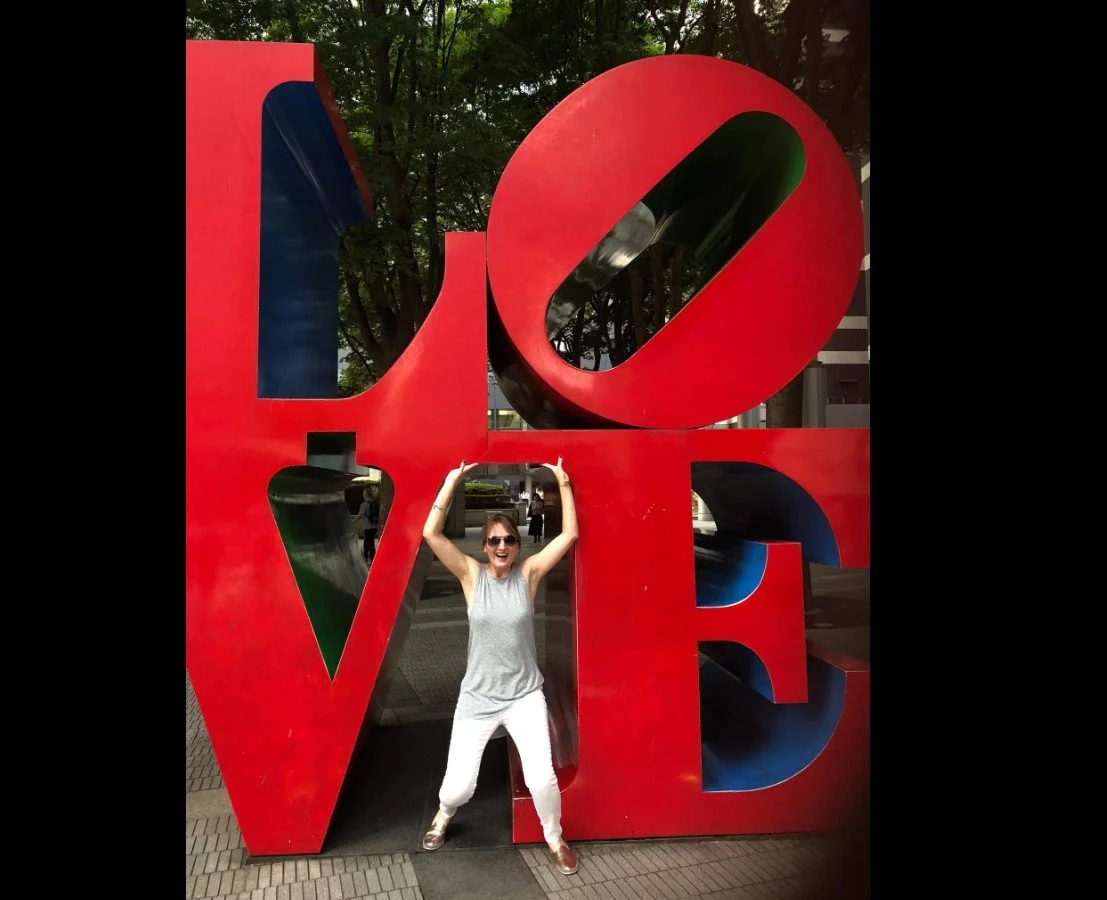
Photo taken in Seoul, South Korea
With Thanksgiving and the holiday season fast approaching, the seasons when tensions can rise, old dynamics resurface and love is tested, I thought it would be the right time to share a question I refer to often. One that has changed moments that I thought were beyond changing:
what would love do?
A sneak peek into a chapter from my book F*ck It. What Now? (available early 2027)
Where it started: A story from the Tuscan hills
I first heard this phrase when on a pilgrimage in Tuscany. Our facilitator, Karen, shared a story with us about a moment from her own life: a conversation with one of her children that had become tense. She was faced with a split second decision about how to show up in that moment. She paused and asked her inner self: what would love do?
She said the conversation shifted from that moment.
It sounds simple, but it isn’t. Not in the moment. And not when there is tension in the air.
The story remained with us throughout the pilgrimage . Many of us would ask that question when sharing stories of our lives or when we were confronted with difficult moments on the walk. It helped relieve the automatic response of frustration or anger and settle us into reflection.
The version of us that shows up on autopilot
Let’s look at another scenario. You’re showing up at the family gathering. You are already predicting how it will go. There’s always an elephant in the room that everyone is familiar with but for years no-one has been willing to address. Then ‘Uncle Joe’ says something. The pressure cooker goes off, or nothing is said at all and everyone goes home with the thing they wish they had said. Only to let it out on someone who has nothing to do with it.
When you arrive at those gatherings you are braced. You’re running on a kind of autopilot built from years of experience – how this family works, who says what, who presses your buttons and how it usually ends. We don’t choose how to show up. We operate in default mode.
And let’s be honest, it’s not only at family gatherings. It’s in the workplace when a colleague’s tone immediately puts you on the defensive. Or when the message hits your inbox and before you finish reading it, you’re already composing your response from a place of irritation or hurt (we’ve all been there). There’s the moments when the conversation starts well and then someone says that one thing that hits your button, and your words are firing off somewhere else entirely – somewhere old and familiar and not particularly useful.
That’s living in autopilot.
How the question works in practice
There may be moments when you need to decide whether to have a difficult conversation. Moments when you need to make decisions that will impact others. Moments when you simply need to walk away – not with meanness or cruelty, but in a loving way.
Whatever the moment is, when you act from a place of love – for yourself and for them – rather than from bitterness, anger and resentment, everything changes. It doesn’t mean you avoid conflict or discomfort. It means that every conversation, interaction, argument and misunderstanding presents an opportunity to open the eyes of your heart rather than close them.
"You cannot keep doing the same thing expecting a different outcome”.
In practice, it starts with taking notice and slowing down. It means, responding not reacting. Starting with taking a breath before speaking. When you receive a message that irritates you, before you respond, pause. Ask yourself: what would love do? Is this coming from a place of fear (of being judged, dismissed, not valued) or is there a loving response available? It might simply be: ‘Thank you for the feedback’ or ‘Let me consider that.’
Love is also knowing who gets access
You don’t have to hate people to place them properly. You don’t need to be bitter to give distance. You can be loving and still selective. You can be kind and still careful. You can forgive and still release access.
For those who do have access - the people you love the most - the question becomes not whether to love, but how.
What would love do?
For you.
For the other person.
For the situation.
Take that with you as you move into the final months of the year and into life. It is a small question with the power to change a moment. Sometimes much more than you would expect.
Questions to reflect on:
Is there a situation in your life right now where asking ‘what would love do?’ might change how you show up?
How can you show up differently when the situation gets tense?
Kellie is a transformational coach helping people discover who they are beneath the title, role and labels.
If you’d like to be the first to receive updates, announcements and other insights, then please subscribe to her monthly newsletter.
Subscribe at kelliejanecoaching.com.au